
Christmas in Nigeria: Traditions, Food, Music and Experiences for First-Time Visitors
Christmas in Nigeria: Traditions, Food, Music and Experiences for First-Time Visitors
Christmas in Nigeria is a season of homecoming, worship, food and music. Many families attend church, cook generous meals, wear new or special outfits and welcome a steady stream of visitors. Celebrations differ by region, faith, community and household, so no two Christmases look exactly alike.
So you are thinking of spending Christmas with us? Come in. Whether this is your first visit from London, Toronto, New York or Amsterdam, or your first December home in years, here is one thing to know early: someone will ask if you have eaten. Say yes if you like. A plate may still appear.
This guide is about Christmas itself: the faith, family and neighbourhood side of the season. Detty December, our season of concerts and parties, overlaps with it, but it is only part of the story.
Christmas in Nigeria at a glance
| Moment | What often happens | Visitor tip |
|---|---|---|
| Early December | Lights go up, carol services begin, people shop and travel | Book flights and accommodation early |
| Christmas Eve (24 December) | Cooking preparations, late church services, fireworks in some areas | Arrange your ride before nightfall |
| Christmas Day (25 December) | Church, a big meal, visiting and gifts | Plan to stay put or travel short distances |
| Boxing Day (26 December) | More visits, outings and parties | Check opening hours before heading out |
| 31 December | Many churches hold a crossover service | Expect a very late night |
What Christmas in Nigeria is really like
Imagine carols from a shop speaker, a neighbour's generator humming, children showing off new shoes and someone in the kitchen insisting the stew needs more pepper. That is the mood in many homes.
Homecoming is at the heart of it. Many people leave the big cities for their hometowns, so airports, motor parks and highways get busy. For diaspora families, it can be the one time several generations are in the same compound.
Nigeria is also home to many faiths. Christmas is a Christian celebration and a public holiday, and in many neighbourhoods friends of other faiths share in the food and greetings.
How different parts of Nigeria celebrate Christmas
Treat these as examples, not rules. Customs can change from one town, or even one street, to the next.
| Region | You might experience | Food you may meet |
|---|---|---|
| South-West (Lagos, Ibadan) | Church thanksgiving, family parties, city outings | Jollof, ofada rice, pounded yam with egusi |
| South-East (Enugu and hometowns across the region) | Hometown reunions, community meetings, masquerades in some communities | Onugbu (bitterleaf) soup, nsala, rice dishes |
| South-South (Calabar, Uyo) | Community festivities and the carnival season in Calabar | Afang, edikang ikong, seafood |
| North-Central (Abuja and beyond) | Carols, church services, sharing food with neighbours | Rice and stew, pounded yam, grilled meat |
| North-West and North-East | Gatherings within Christian communities | Tuwo shinkafa with soup, masa, rice and stew |
In the South-East, Mmanwu is the Igbo word for masquerade, and in some villages masquerade performances are a highlight of the season. They carry cultural meaning and local rules, so ask your hosts before taking photos or getting close.
In parts of the north and middle belt, security concerns can affect how openly or how late people celebrate. Follow local guidance and read the travel advice section below.
Carnival Calabar: a festival to plan around
If you want one big public celebration, look at Calabar in Cross River State. The published 2026 programme includes:
- 26 December: Cultural Carnival and Night of Kings and Queens
- 27 December: Junior Carnival
- 28 December: Carnival Calabar and Parade of the Bands, the main street spectacle
- 29 December: Bikers Carnival
- 30 December: Street party and colour runs
Expect costumes, music, dancing and big crowds. Confirm times and routes with the organisers, and sort transport and accommodation before you travel.
Christmas Eve and Christmas Day traditions
Christmas Eve
The day often goes on preparation: last market runs, hair appointments, ironing outfits and seasoning meat. In the evening, many Christians attend a vigil or midnight service. In some neighbourhoods you will hear "knockouts" (firecrackers). Rules on fireworks vary, and the bangs can startle young children.
Christmas Day
A typical day might run like this:
- Morning church service, with carols and thanksgiving
- Greetings and photos in festive outfits
- The big meal at home
- Visiting relatives and neighbours, or receiving them
- Gifts, music, games and an evening that runs long
Not every household follows this order. Some are quiet, some throw a party and some spend the day giving food or supplies to people in need.
A few manners that go a long way
- Greet elders first, and warmly.
- Accept food or a drink if you can, and decline politely if you cannot.
- Dress modestly for church.
- Bring a small gift when visiting.
- Ask before photographing people, services or performances.
Nigerian Christmas food and family gatherings
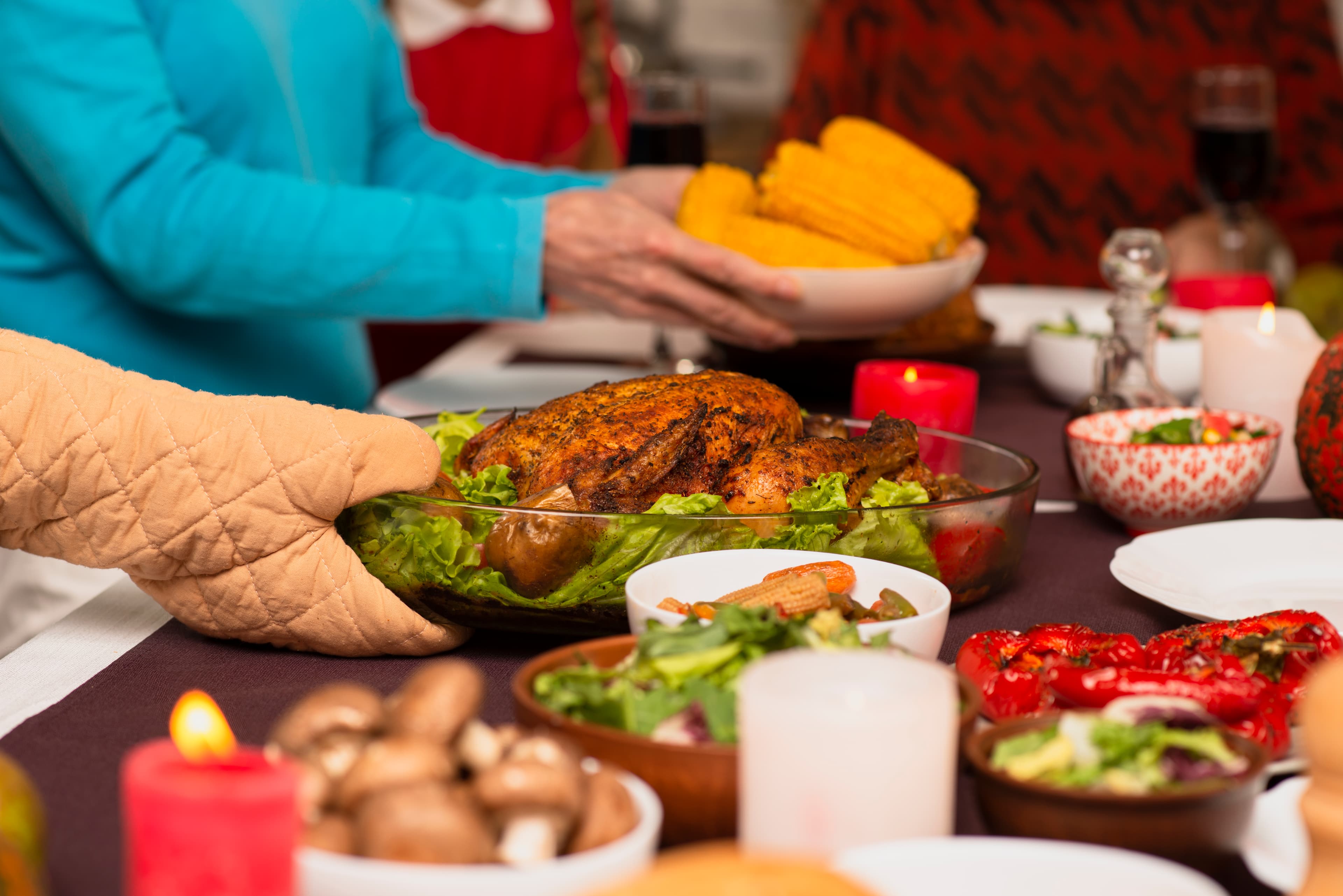
Food is how many of us say "you are welcome."
Start with the rice. Smoky jollof and colourful fried rice are festive favourites, often served with chicken, turkey, goat or beef, plus fried plantain (dodo), salad or moin-moin (steamed bean pudding). Some homes swear by white rice and a rich tomato stew.
Then try a soup and swallow. "Swallow" is a soft dough, such as pounded yam or tuwo, that you dip into soup. Egusi, made with melon seeds, is a friendly place to begin.
Save room for small things. Puff-puff is soft fried dough, chin chin is crunchy and moreish, and small chops is a mixed party platter. Pepper soup is hot in both senses.
Drinks may include zobo (a hibiscus drink), Chapman (a fruity mocktail), soft drinks and, in some places, palm wine.
Tips for a happy stomach: say how much pepper you can handle, mention allergies clearly (groundnuts and crayfish appear in many dishes), drink sealed or treated water and choose food that is freshly cooked.
The best seat is often near the kitchen. Offer to help, and you may learn a family recipe along with the family gossip.
Church, music, decorations and community life
Church celebrations range from quiet, formal masses to energetic services with choirs, drums and dancing. Carol services and nativity plays often start early in December. Visitors are usually welcome, but check service times and arrive early.
Music is everywhere. You may hear traditional carols, carols sung in local languages, gospel, highlife and Afrobeats, sometimes all in one afternoon.
Decorations brighten homes, shops, churches and some major streets. An evening drive to see the lights can be lovely, as long as you allow for traffic.
Community activities include carol nights, children's parties, Christmas markets and funfairs, town association meetings and charity visits. "Father Christmas", as many Nigerians call Santa, often turns up at malls and parties.
Experiences international visitors should not miss
- A family Christmas lunch. If a friend invites you home, go.
- A carol service or Christmas morning service. Hear the choirs for yourself.
- A market trip with a local. See the Christmas rush, and let your guide do the bargaining.
- A cooking session. Try your hand at jollof or puff-puff.
- A masquerade or community performance, where visitors are welcome.
- Carnival Calabar, if you love colour and crowds.
- A slower side of the season. Read about Christmas in Enugu or plan a calm December in Abuja.
Want the party side too? Plan it with our Detty December Budget Calculator.
Practical tips for planning a Christmas visit
When to arrive. Aim for around 15 to 20 December if you can. It gives you time to rest, shop and travel before the holiday. Compare fares early.
Weather. December falls in the dry season. Expect warm to hot afternoons and little rain in much of the country, with Harmattan dust and haze, especially further north. See our guide to the best time to visit Nigeria.
Packing. Breathable clothes, one smart or traditional outfit, comfortable shoes, a light layer, sunscreen, insect repellent, lip balm, moisturiser and your medication. Ask a doctor about malaria prevention.
Entry documents. Check visa, passport and health requirements for your nationality well ahead. Many visitors need a visa before flying and proof of yellow fever vaccination.
Getting around. Arrange your airport pickup in advance and confirm the driver's details. Use trusted drivers or established ride apps where available, and avoid unnecessary night journeys by road.
Money. Carry some naira for markets and small purchases, plus a backup payment card.
Opening hours. Some businesses and attractions may close or run shorter hours on 25 and 26 December. Buy essentials beforehand.
Safety. Some governments advise against travel, or all but essential travel, to certain Nigerian states. Check current advice for every state on your route, including road journeys, and make sure your insurance covers you.
Where to stay when spending Christmas in Nigeria
Staying with family is special. A place of your own can help if you are travelling with children, arriving late or simply need a quiet morning. Choose a location close to the people and plans that matter most.
Best for: diaspora families, first-time visitors and small groups
Prioritise: location, power backup, security, space and total cost
Look for: the verified badge, listed amenities, house rules, any caution fee and the cancellation policy
Verified shortlets to start with
Nightly rates below were seen on 26 November 2026. Check availability and the price for your dates.
- Four-bedroom apartment in Richmond Gate Estate, Lekki: ₦360,000 per night, up to 8 guests, 2-night minimum, ₦100,000 caution fee. Lists air conditioning, full kitchen, free parking, 24-hour electricity and security.
- Two-bedroom apartment in Nowas, Enugu: ₦120,000 per night, up to 6 guests. Lists air conditioning, smart TV, lift and gym.
- Two-bedroom serviced apartment in Gwarinpa, Abuja: ₦120,000 per night, up to 4 guests. Lists air conditioning, Wi-Fi and full kitchen.
Ask your host how backup power works (generator, inverter or solar), its hours and who pays for fuel. If relatives will visit, check the house rules on extra guests first.
Book this type of trip: explore shortlets in Lagos, see Abuja apartments or find a place in Enugu. Still deciding? Compare a shortlet and a hotel for a family Christmas.
December dates can go quickly, so book early. On Dwelns, payment is held in escrow and released after check-in. Keep payments and messages on the platform, and read the cancellation policy before paying. The Dwelns service fee is not refunded if you cancel as a guest.
Frequently asked questions
How is Christmas celebrated in Nigeria?
With church services, family gatherings, festive meals, music, gifts and visits. The details differ by region, community and household.
What do Nigerians eat on Christmas Day?
Jollof rice, fried rice and chicken are common favourites. Many homes also serve goat meat, stew, pepper soup, small chops or soup with pounded yam or tuwo.
Is Christmas a public holiday in Nigeria?
Yes. Christmas Day and Boxing Day are public holidays. In 2026 they fall on Friday and Saturday, so check for any extra day the government announces.
Is Christmas in Nigeria the same as Detty December?
No. Christmas is a religious and family celebration. Detty December is the wider season of concerts, parties and entertainment around it.
What is the weather like in Nigeria at Christmas?
Mostly dry and warm to hot, with Harmattan haze in many places. Mornings can be cooler, particularly in the north and on high ground.
Can visitors attend Christmas church services?
Usually, yes. Check the time, dress modestly, arrive early and ask before taking photos.
Where should first-time visitors spend Christmas in Nigeria?
Start where you have trusted people. Without that, consider Lagos for variety, Abuja for a calmer city break, Enugu for a South-East experience or Calabar for the carnival, after checking current travel advice.
Final thoughts: come hungry
Christmas here is not something you only watch. You are handed a plate, pulled into a photo, asked about your journey and invited somewhere else before you finish eating. Come with time, patience and an open mind.
When your plans are taking shape, browse stays on Dwelns, create your account and book your Christmas base early. You are welcome home.
Related stories
- Why more Nigerians in the diaspora are choosing shortlets this Christmas
- Best Time to Visit Nigeria: Weather, Festivals and Travel Experiences
- How to split a large shortlet with friends this Christmas